What Should I Expect During a Commercial Photoshoot?
When people think about a commercial photoshoot, they often imagine the shoot day itself: a photographer arrives, takes photos, and somehow a finished gallery appears that works for their website, social media, printed materials, and marketing campaigns.
The reality is a little different.
A good commercial photoshoot is not just about showing up with a camera. It is a planned, directed, and purposeful process that turns your brand message into useful images. The best photos do not happen by accident. They are built through preparation, clear goals, direction, and collaboration.
If you are considering a commercial photoshoot for your business, organization, school, or program, here is what you can expect from the process.
A Commercial Photoshoot Starts Before the Camera Comes Out
The first thing I want clients to understand is that commercial photos are not magic. They require planning, props, and purpose.
Before I ever arrive on location, I am already thinking through the logistics of the shoot. That includes checking the weather, travel details, timing, and making sure my gear is ready for the shoot day.
But the most important preparation is not just technical. It is strategic.
Before a commercial photoshoot, I want to understand things like:
What are these images being used for?
Who is the audience?
What does your brand need to communicate?
What specific images do you already know you need?
Who needs to be photographed?
What locations, props, spaces, or activities need to be included?
Are these images for a website, print piece, article, campaign, social media, or all of the above?
This is where we start turning a vague idea like “we need updated photos” into a concrete plan.
The Best Images Have a Clear Purpose
One of the biggest misconceptions about commercial photography is that the photographer simply shows up and “makes it happen.”
I can guide the process, direct people, solve problems, and create strong images, but the most successful shoots happen when there is a clear message behind the photos.
A commercial photographer helps amplify your brand message. But for that to work, we need to know what the message is.
That does not mean you need to have everything perfectly figured out before reaching out. Many clients do not know what they do not know, and that is completely normal. Part of my role is to help guide those conversations and ask questions that lead us toward better images.
For example, instead of just asking, “What do you want photos of?” I am also thinking about:
What story are these images telling?
What should a potential customer feel when they see them?
How do these images communicate trust, expertise, approachability, or professionalism?
What does a designer, writer, or marketing team need from this gallery later?
How can we create images that are not only beautiful, but useful?
A good-looking image is valuable. A useful image is even better.
Expect to Be Guided During the Photoshoot
Another common concern I hear from clients is that they do not feel comfortable on camera.
This is especially true for business owners, employees, students, instructors, and team members who are not used to being photographed. Most people are not models. They do not automatically know what to do with their hands, where to look, how to stand, or how to act natural when a camera is pointed at them.
That is where direction matters.
During a commercial photoshoot, I am not just taking pictures. I am often acting as:
A director who helps people know what to do
A problem-solver when the location, lighting, or schedule changes
A brand translator who turns abstract values into specific images
A calming presence for people who feel awkward
A collaborator with designers, marketers, writers, and project leads
My goal is to keep the shoot moving while helping people feel more comfortable. Sometimes that means giving simple direction. Sometimes it means creating scenarios for people to act out. Sometimes it means adjusting the plan because the space, light, weather, or schedule is different than expected.
A good commercial shoot has structure, but it also needs flexibility.
Case Study: Photographing an Education Program
One commercial shoot that shows this process well was a branding shoot for the Aims Community College CDL Program.
The goal was to create a variety of images that could be used across different deliverables, including print materials, web pages, articles, and future campaigns. This meant the photos needed to work for more than one purpose. They could not just be a few nice images from the day. They needed to become a useful library of visual assets.
Before the shoot, I spoke with the point of contact and the person writing an article about the program. We discussed what they needed from the images, reviewed the brand values, and thought through the kinds of photos that would support the story they were trying to tell.
From there, I built out a shot list with specific situations to photograph.
Once I arrived, the people being photographed were a little sheepish, which is very normal. Most people do not instantly know how to act in front of a camera, especially during a commercial shoot.
So I went into director mode.
Instead of expecting everyone to naturally perform for the camera, I gave them scenarios to act out. I directed moments like:
An instructor guiding a student in the driver seat
Students doing an engine inspection
People interacting around the truck
Detail shots of the equipment
Wider environmental images that showed the program setting
Images of the 18-wheeler simulator
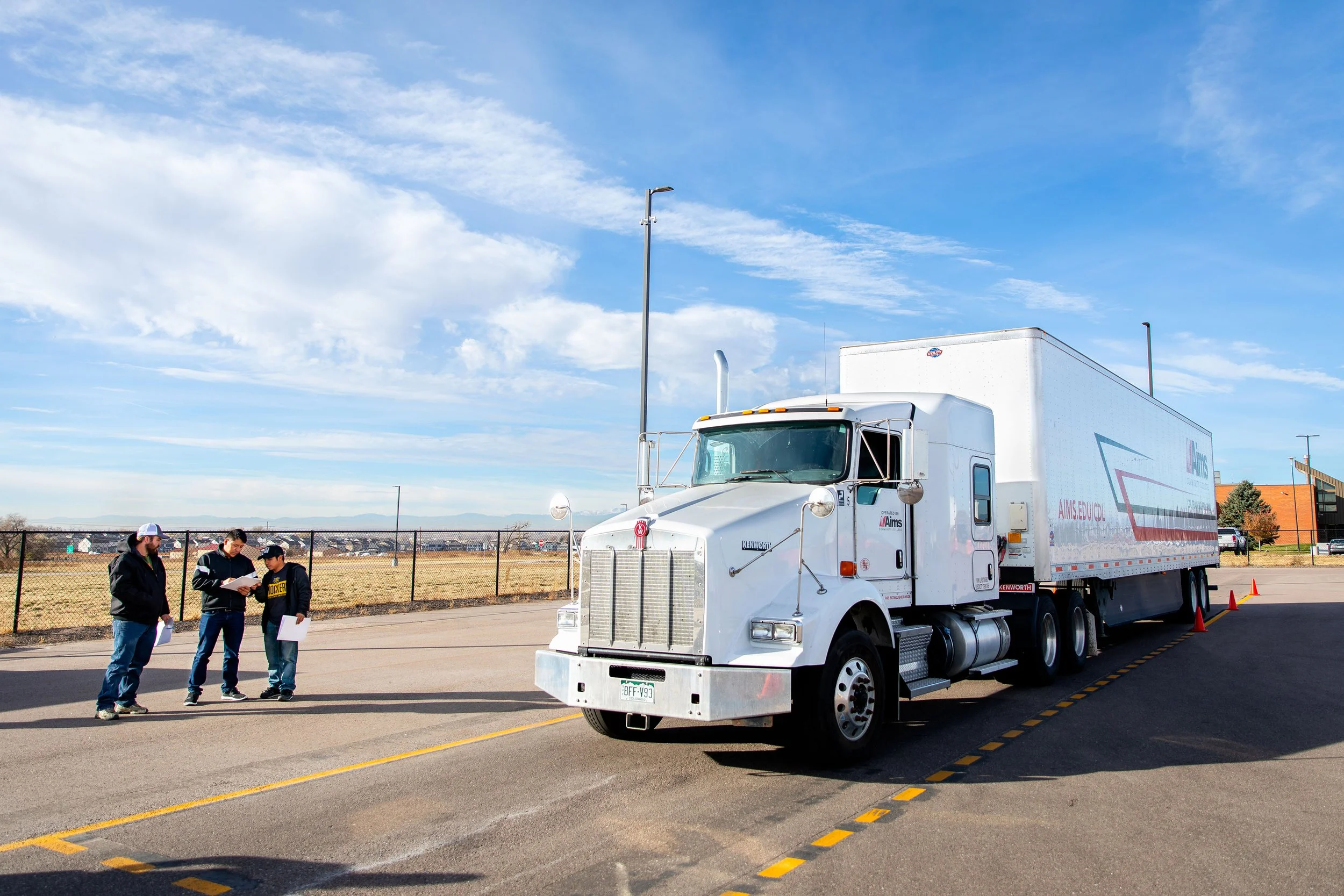
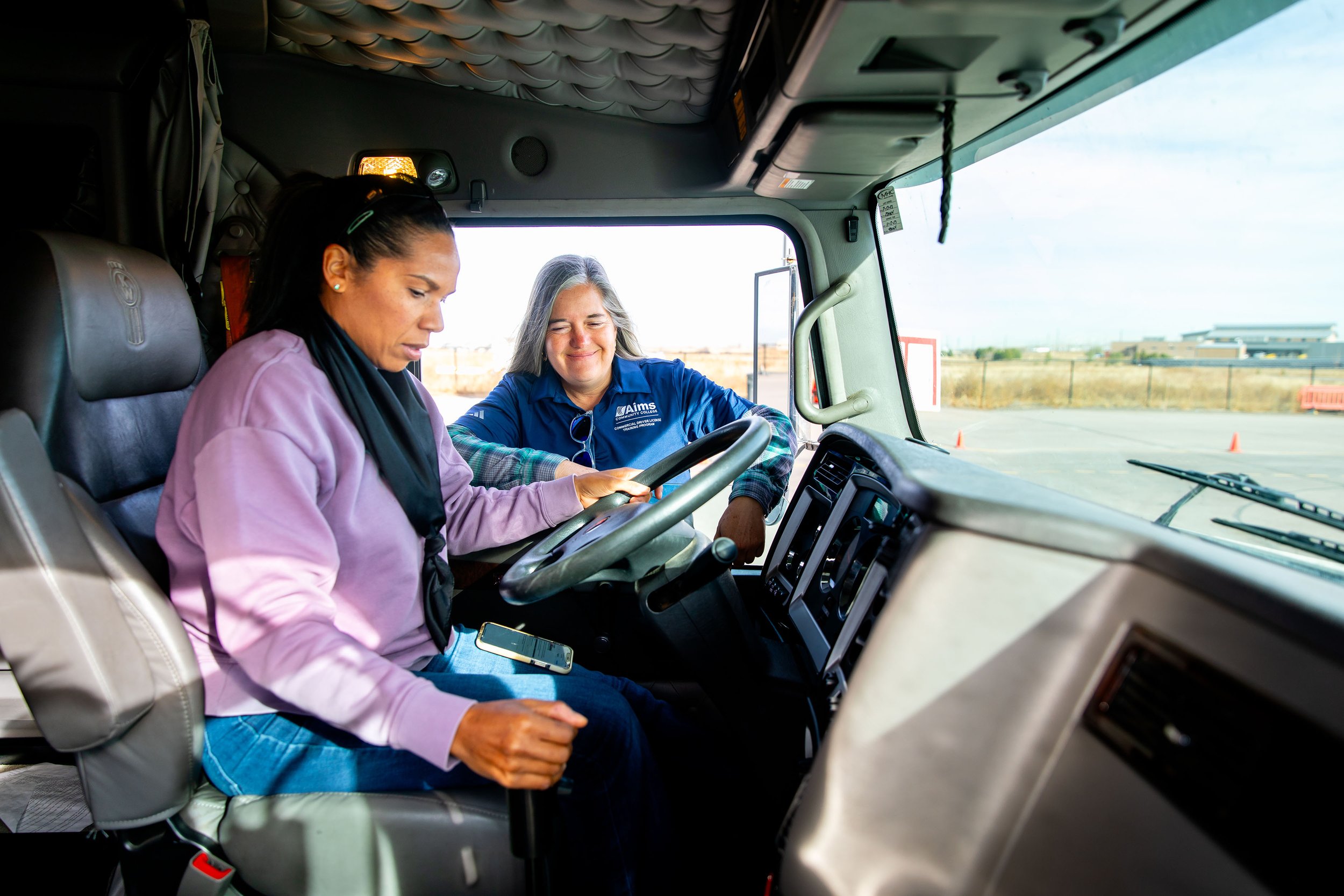
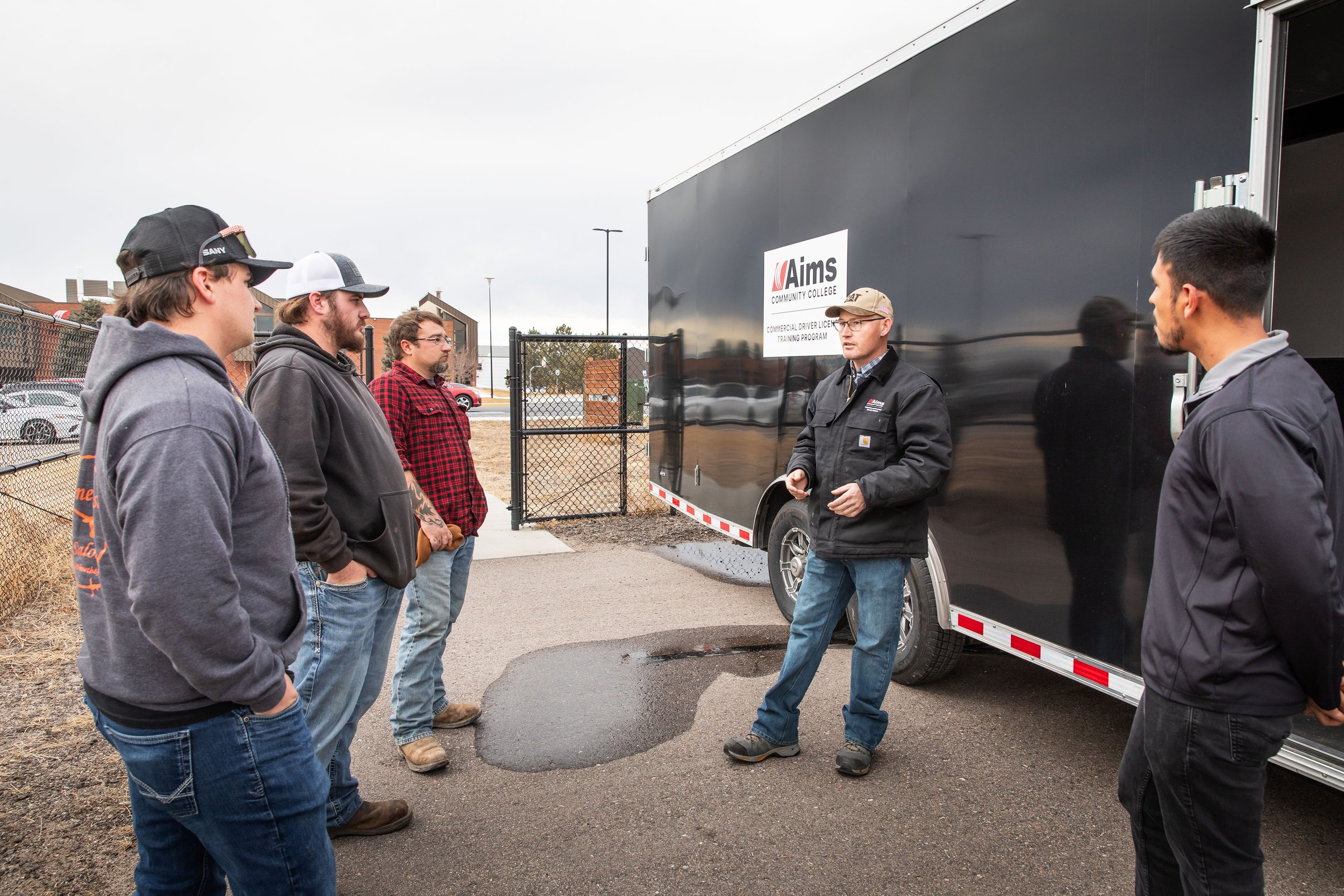
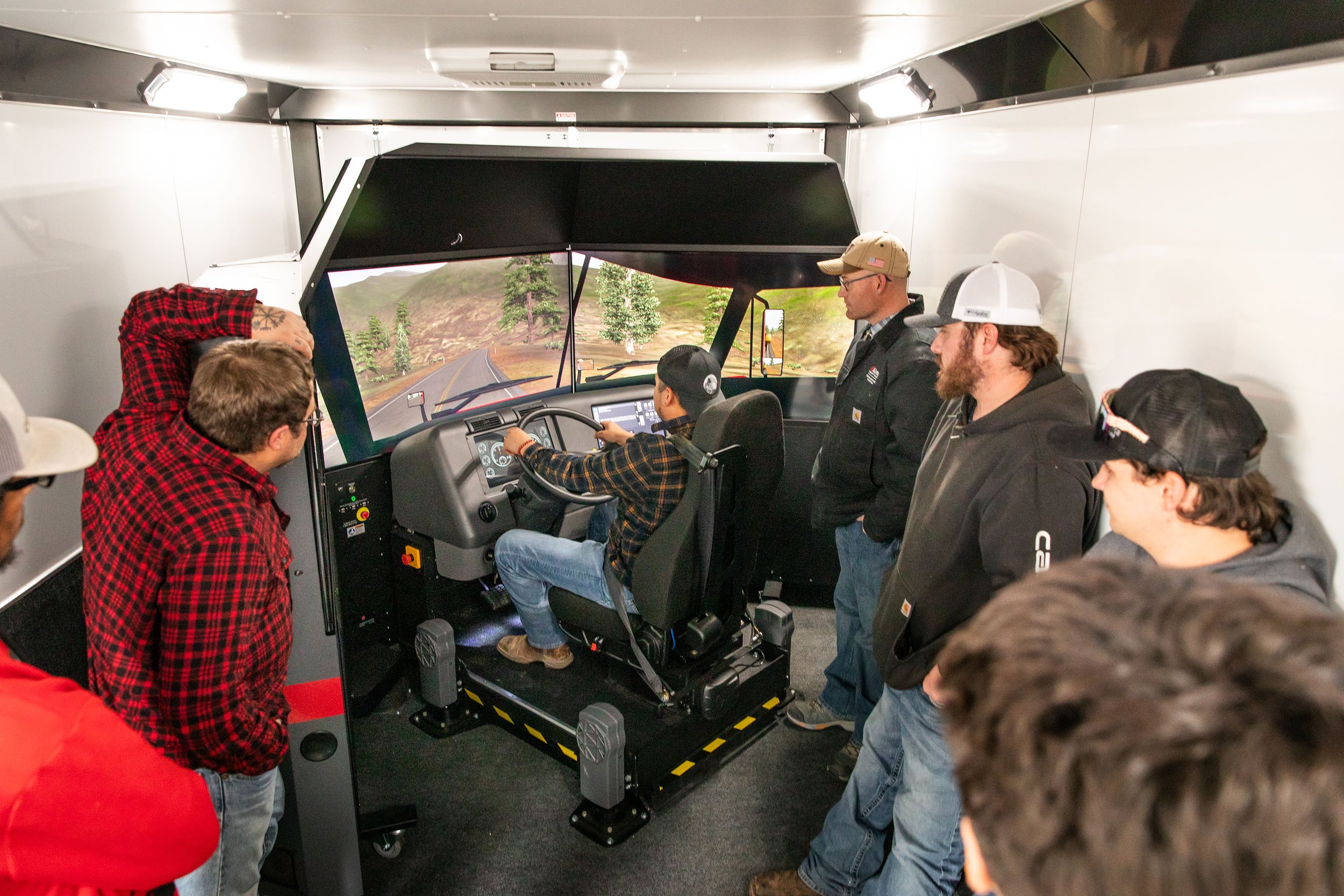
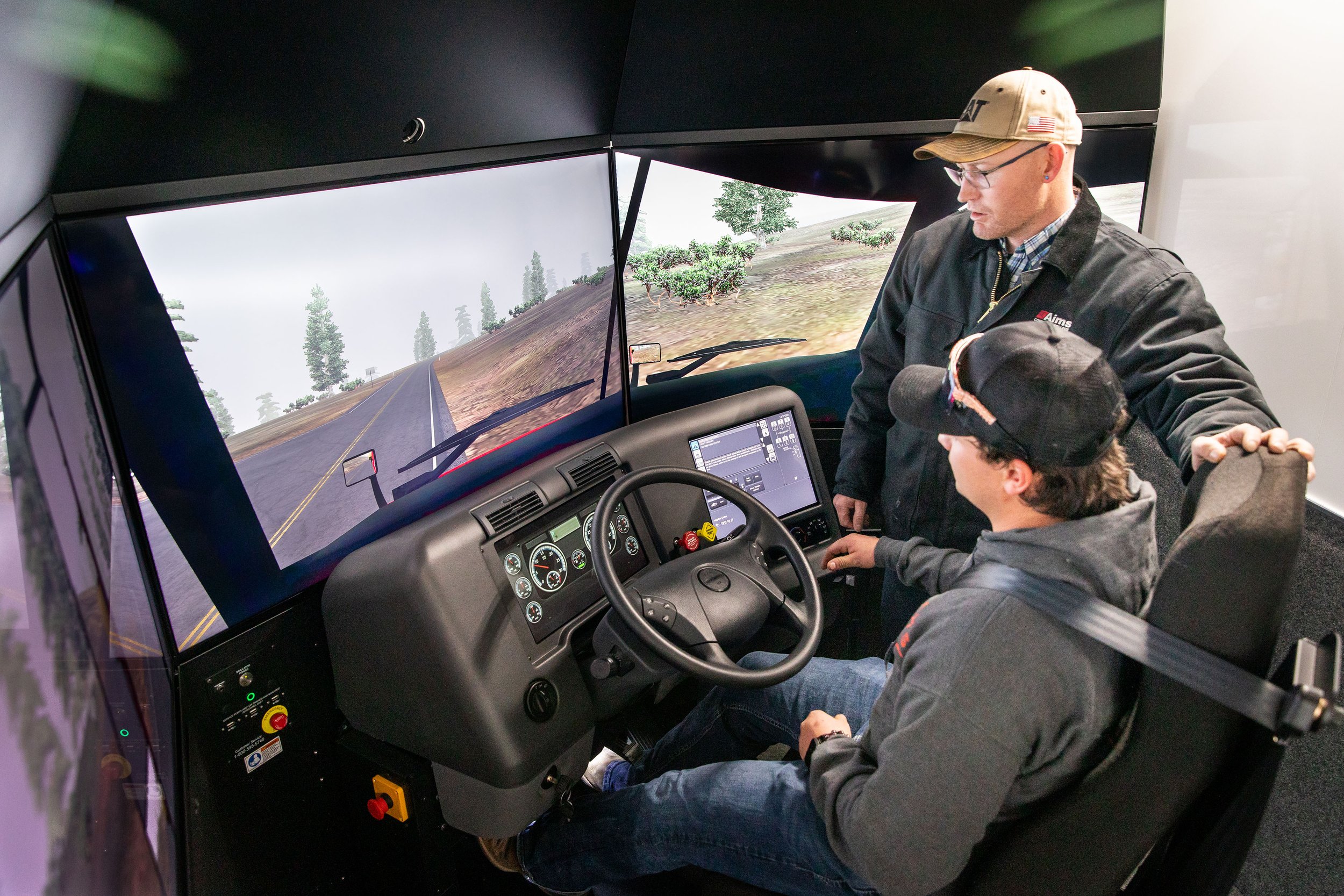
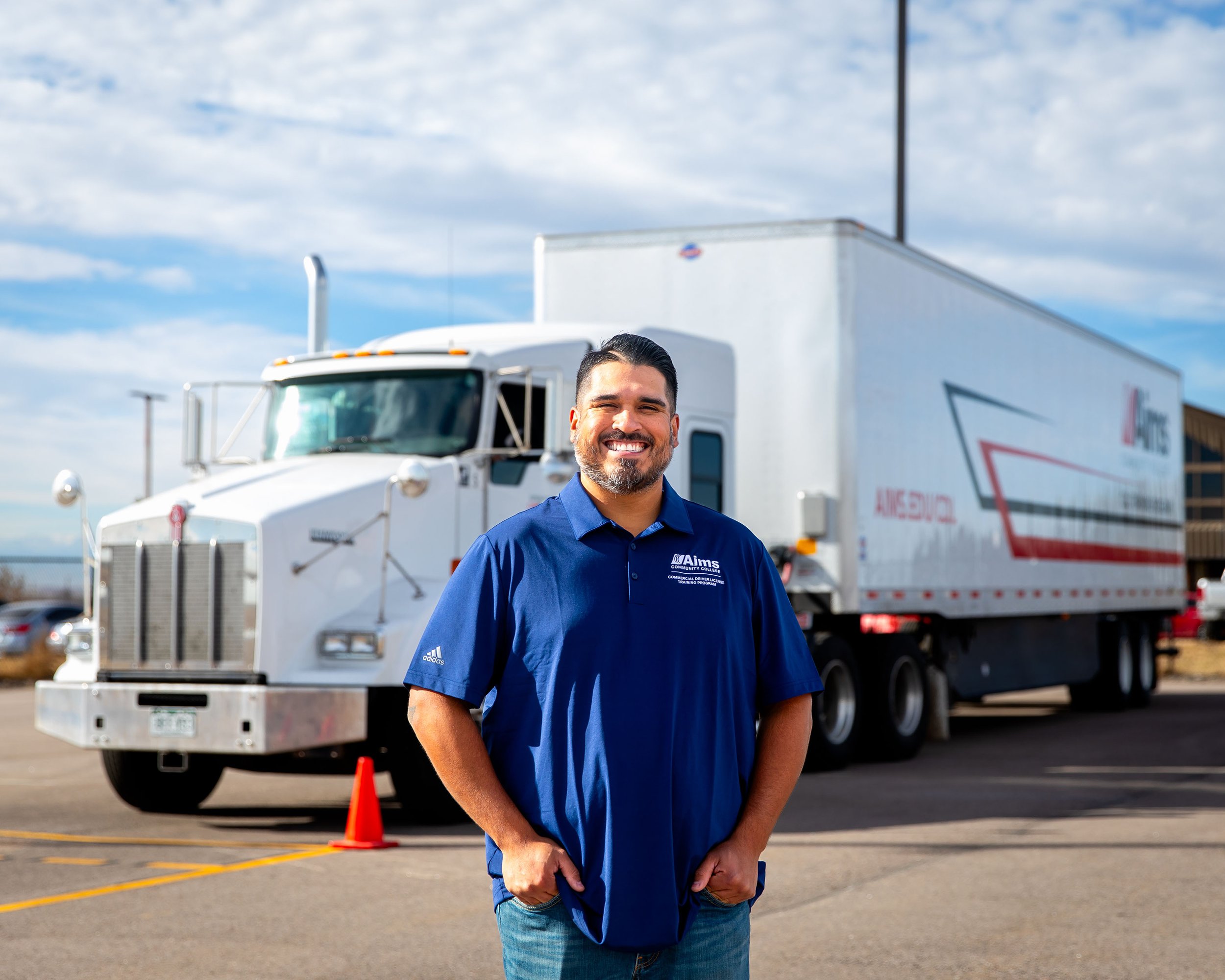
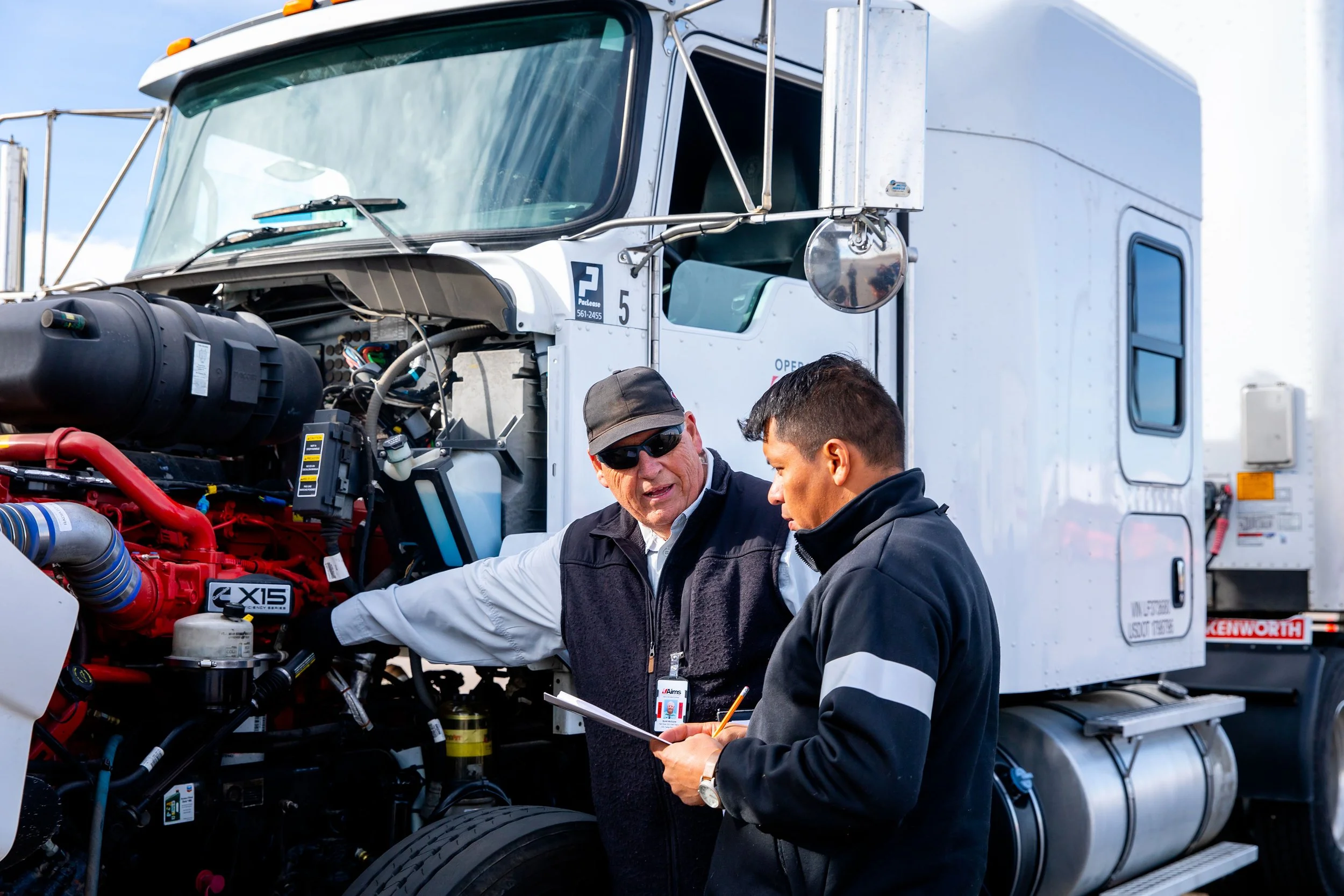
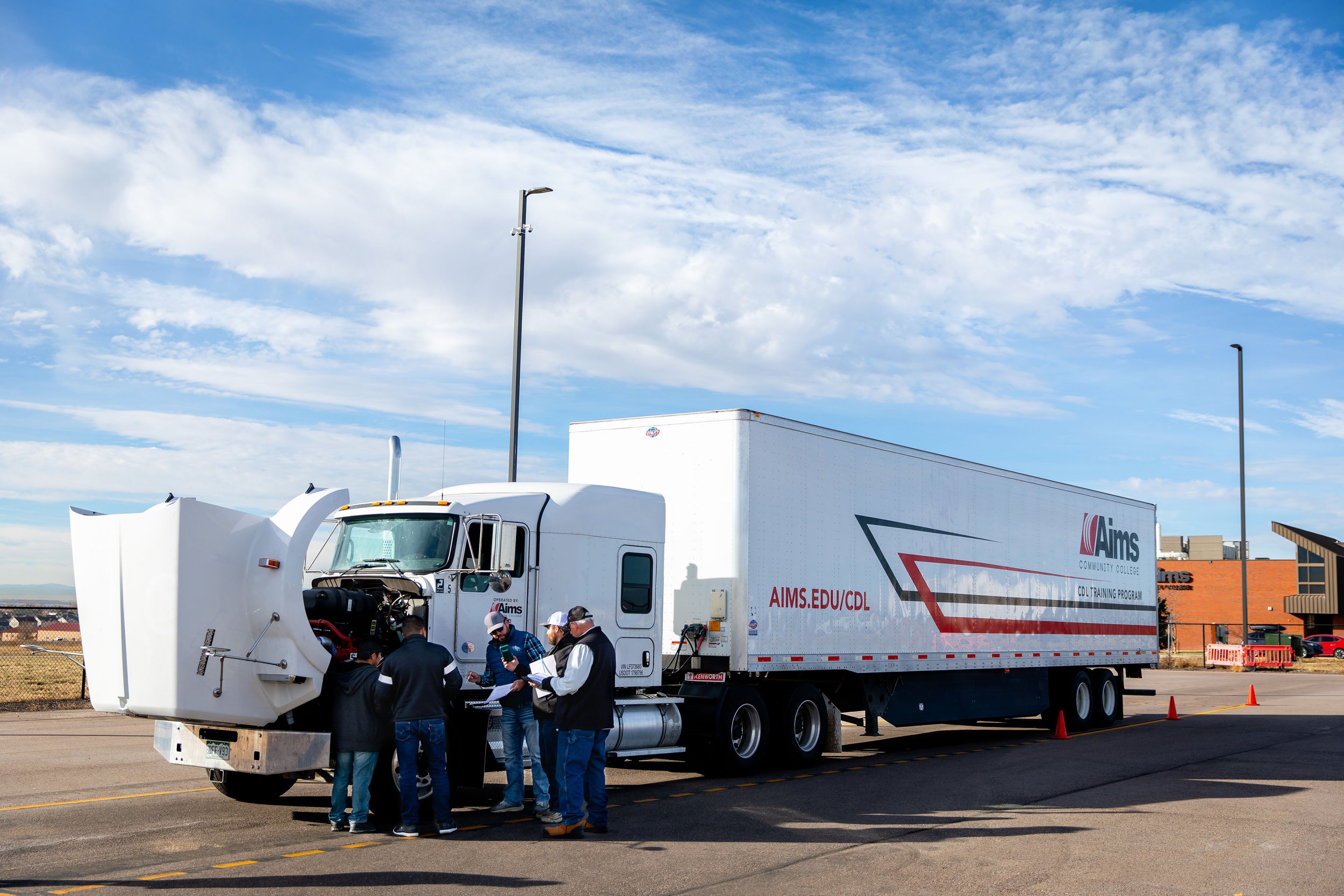
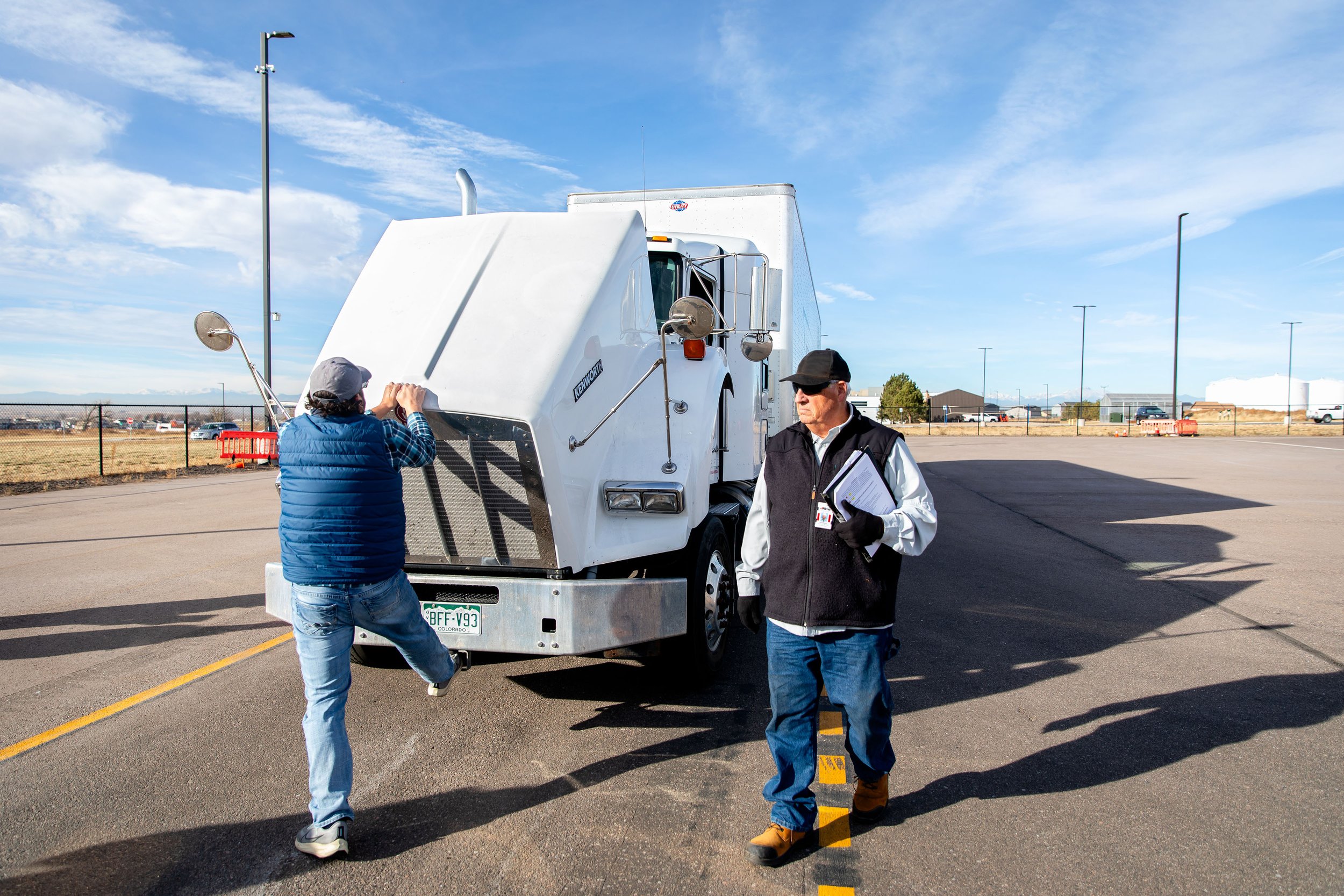
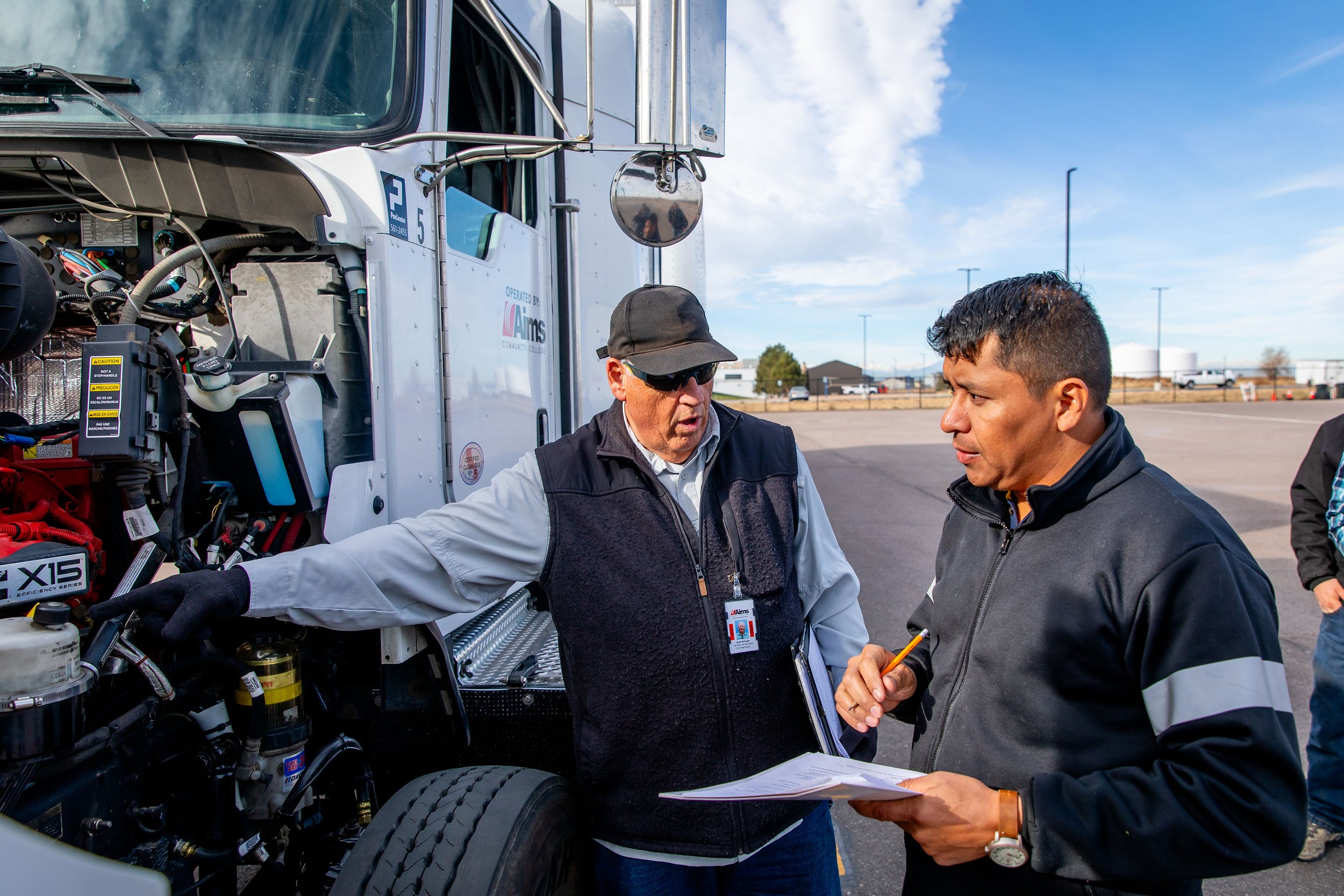
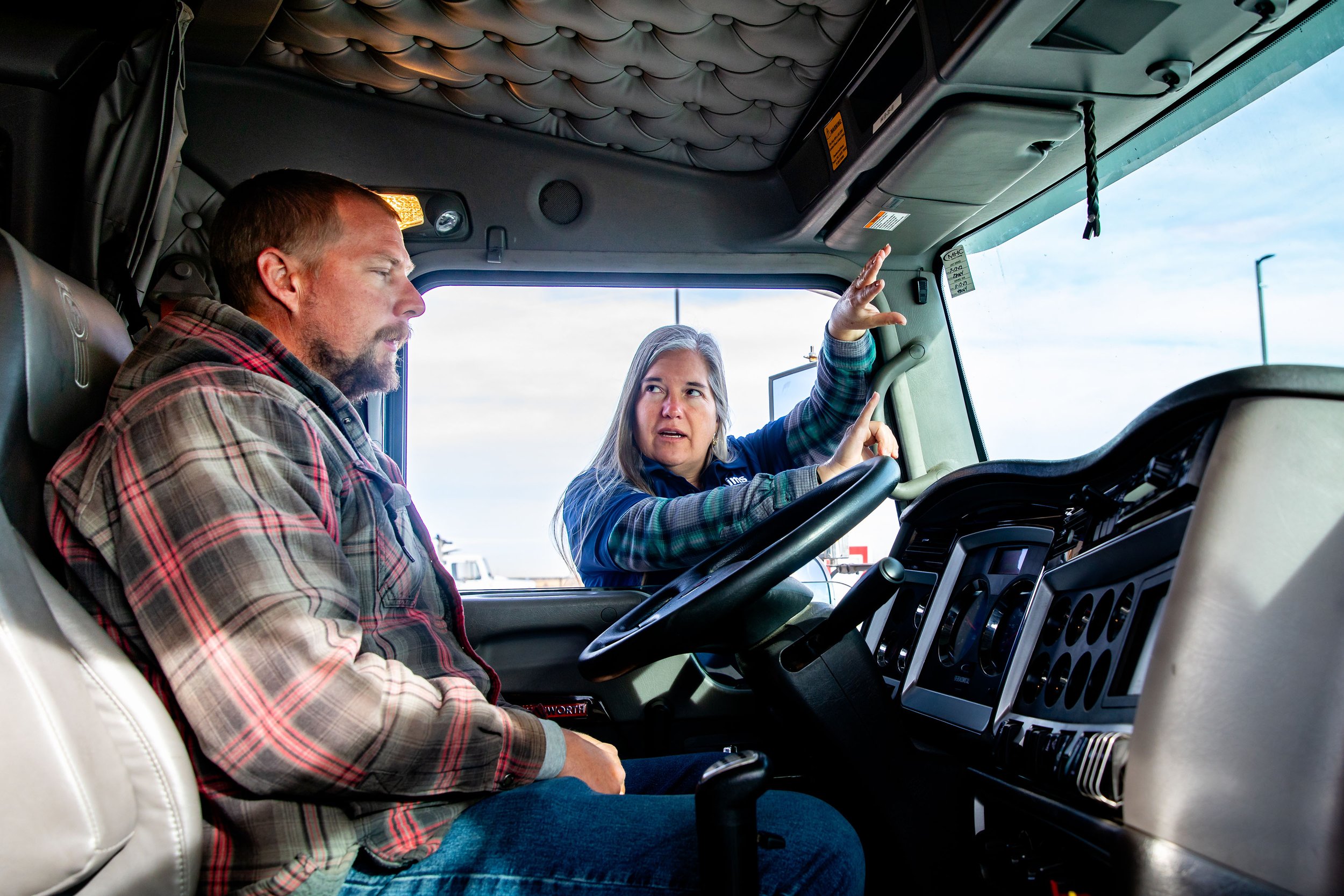
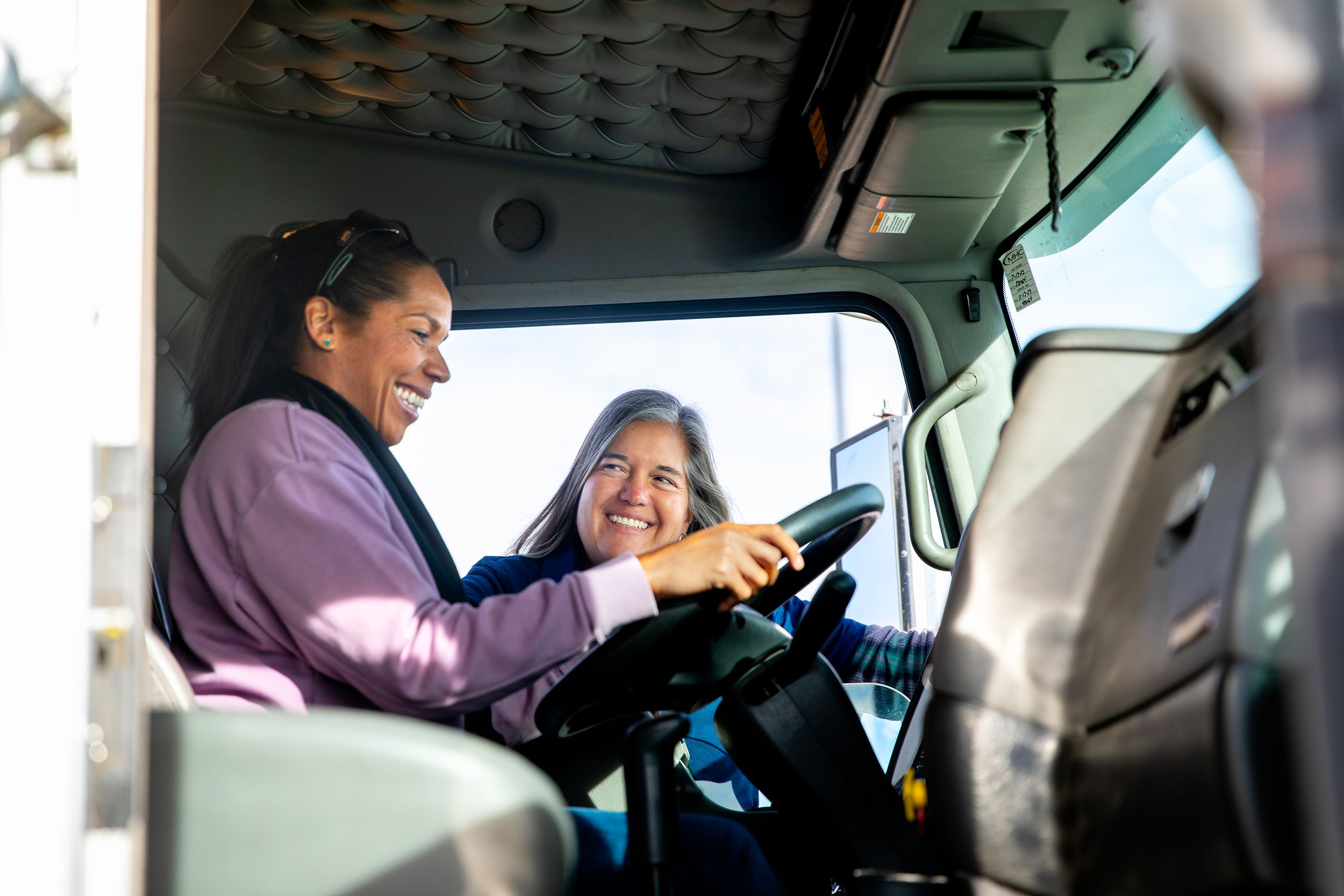
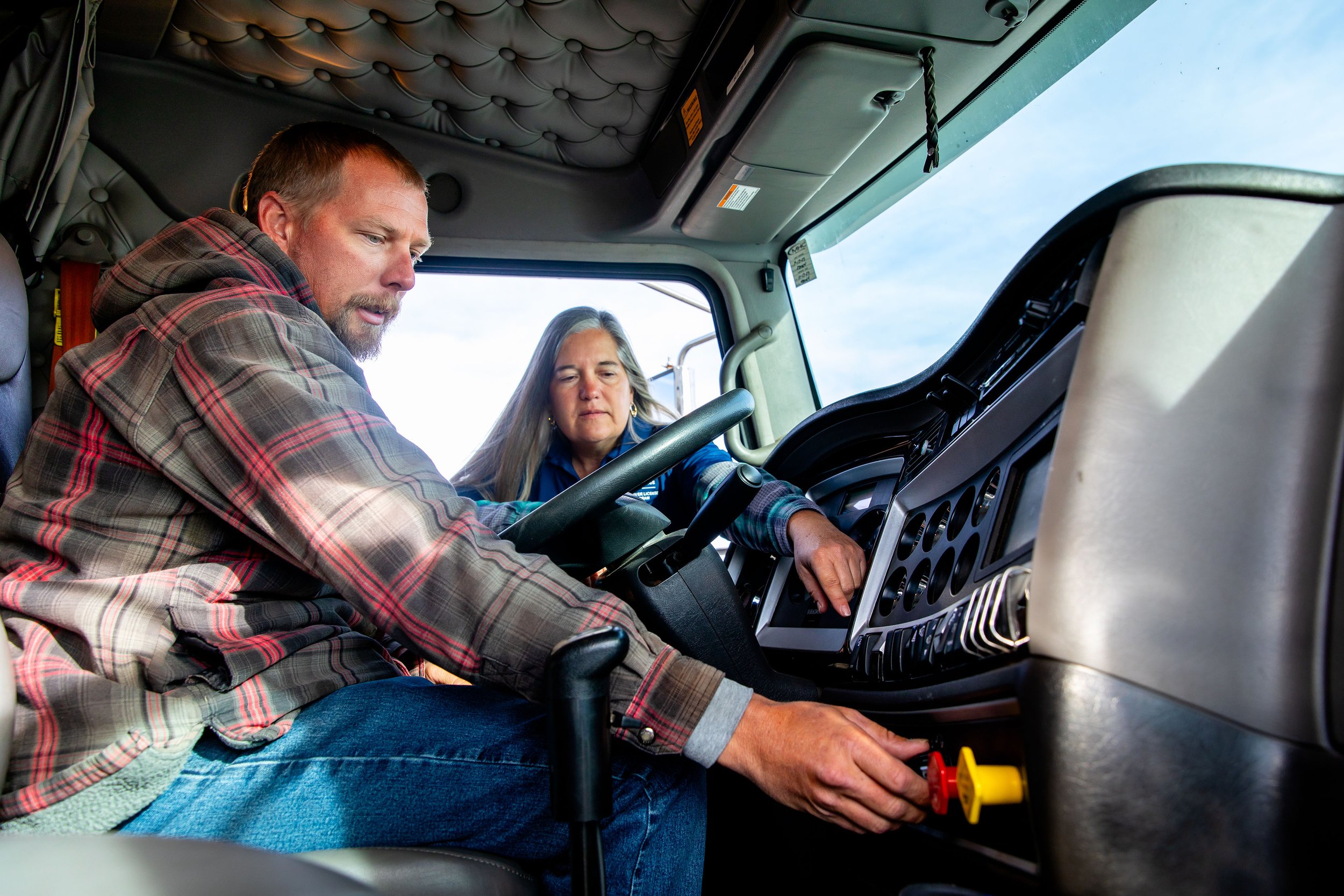
The goal was to create a full set of images that showed the program in action. I needed interpersonal shots, landscapes, details, process images, and wider scenes that a designer could use later.
By the end of the shoot, the students and instructors went back to class, and the client received a gallery that gave them far more flexibility for future marketing.
The program director was excited to have strong new images that could help recruit students. The designers were thankful to have updated visuals they could use in future campaigns.
That is what a successful commercial photoshoot should do. It should give your team images that are not only polished, but practical.
What Happens After the Photoshoot?
After the shoot, the work continues.
During pre-production, we will usually discuss when the final images need to be delivered. I also double check that timeline with the point of contact on the day of the shoot.
Once the shoot is complete, I typically send a follow-up email thanking the client for the day and letting them know I am working on the images.
From there, I offload the images into my editing program and make a backup copy. Then I begin the selection process.
When I am choosing which images to deliver, I am not only asking, “Does this photo look good?” I am also asking:
Does this reflect the shot list?
Does this support the brand values?
Does this help create customer connection?
Does this clearly showcase the service, space, team, or experience?
Would this be useful for a website, article, print piece, campaign, or social post?
For commercial work, usefulness matters.
A beautiful image that does not serve the project has limited value. A useful image reflects the brand, supports the message, and gives the client flexibility.
Why I Often Prioritize Horizontal Images
One opinion I have developed through commercial work is that horizontal images are often the most useful for marketing and design.
I usually prioritize horizontal images because they tend to work well for websites, graphics, printed materials, headers, banners, and layouts. It is generally easier to crop a horizontal image into a vertical format than it is to force a vertical image into a horizontal design.
That does not mean vertical images are never useful. They absolutely can be, especially for social media. But for many commercial projects, horizontal images give designers and marketing teams more flexibility.
This is one of those small details that clients may not think about, but it can make a big difference when the images are actually being used.
What You Receive After the Shoot
After the images are selected and edited, I deliver a gallery of high-resolution images.
Once you receive your gallery, I recommend reviewing it carefully. Make sure there are no missing must-have images and that the gallery covers the needs we discussed before the shoot.
A strong commercial gallery should give you images that can be used across multiple places, such as:
Website pages
Blog posts or articles
Social media
Printed materials
Advertising campaigns
Internal documents
Presentations
Recruitment or sales materials
The best results happen when the images are actually used. A commercial photoshoot should become a resource for your business, not just a folder that sits on a hard drive.
How to Prepare for a Better Commercial Photoshoot
If you want to get the most out of your commercial photoshoot, the best thing you can do is come prepared to talk about your goals.
You do not need to have all the answers, but you should be ready to discuss what you want the images to accomplish.
Before your shoot, think about:
Where will these images be used?
What do you want people to understand about your business?
What services, products, spaces, or people need to be featured?
What makes your business different?
Are there any specific shots you know you need?
Who needs to be present on the shoot day?
Are there props, tools, uniforms, spaces, or activities that help tell the story?
The more intentional we are before the shoot, the more useful the final images will be.
A Commercial Photoshoot Is a Collaboration
At its best, a commercial photoshoot is a collaboration.
My role is to bring the photography experience, visual direction, technical skill, and problem-solving. Your role is to bring the knowledge of your business, your audience, your services, and your goals.
Together, those pieces create images that are not only visually strong, but meaningful and useful.
I can help direct people who feel awkward. I can solve problems when the location or lighting changes. I can translate brand values into specific shots. I can create a gallery that gives your team options for web, print, social media, and campaigns.
But the strongest images come from a clear brand message.
That is why the process matters. A successful commercial photoshoot is not just about getting nice photos. It is about creating images that help your business communicate clearly, connect with customers, and show the value of what you do.